Bill assessment prep
Commercial Water Bill Audit Checklist
Use this checklist to collect the documents and site facts needed to understand why a water bill is high, what parts of the bill can change, and whether a Smart Valve savings assessment is worth pursuing.
Direct answer
A useful commercial water-bill audit needs 12 months of bills, meter size, usage units, water and sewer line items, fixed charges, sewer rules, and operating context. Without those inputs, savings estimates can miss the real cost driver.
Bill documents
- 12 months of water and sewer bills
- Any separate irrigation, fire-service, cooling, or process-water accounts
- Current utility rate notice or rate-class change notice
- Any sewer adjustment, deduct-meter, or winter-average documentation
Meter and account details
- Meter number and meter size
- Service address and utility account number
- Water and sewer customer class
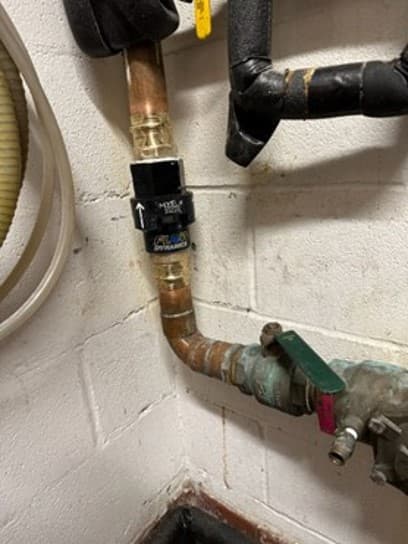
- Photo of the meter room or main service line when available
Usage and operations
- Occupancy, production, room count, unit count, or vehicle count by month
- Known changes in operating hours, tenants, equipment, or landscaping
- Cooling tower, laundry, kitchen, washdown, process, pool, or irrigation uses
- Recent leaks, repairs, meter swaps, or utility work nearby
Savings model inputs
- Average monthly water and sewer spend
- Average monthly usage in gallons, kGal, CCF, or MCF
- Known fixed charges, stormwater charges, and surcharges
- Any installation constraints, plumber requirements, or access limits
How to Use the Checklist
1. Normalize the bill
Convert CCF, kGal, or MCF into one unit and separate water, sewer, fixed fees, and surcharges.
2. Compare the pattern
Look for usage changes that do not match weather, occupancy, production, or operating changes.
3. Model the opportunity
Use the calculator for a first estimate, then submit bills when the site looks qualified.
Next step
Turn the checklist into a savings model.
If the bill history shows recurring high usage, high sewer exposure, or a local rate increase, run the calculator first. Then submit bills for a property-specific assessment.
Stop Paying For Air in Your Waterline
Get a free consultation to see how much you could save with the Smart Valve. Average return on investment in just 1.4 years.