Aspen Stage 3 Water Restrictions: What Commercial Properties Need to Check
Aspen moved to Stage 3 water shortage restrictions effective May 15, 2026. Hotels, restaurants, construction sites, campuses, and irrigated properties should review irrigation schedules, outdoor uses, and temporary water-rate exposure.
Key Takeaway
Aspen City Council approved Stage 3 water shortage restrictions on May 12, 2026, effective May 15. The city limits automatic irrigation to two assigned days per week, bars outdoor watering between 8 a.m. and 6 p.m., restricts several outdoor uses, and says temporary water rates apply during the declared shortage.
May 12
Approved
2026 council action
May 15
Effective
Stage 3 restrictions
2 days/wk
Irrigation
Assigned schedule
25-60%
Outdoor Goal
Reduction target
What changed
Aspen moved to Stage 3 water shortage restrictions after record-low snowpack and ongoing drought pressure. The restrictions apply community-wide and are intended to reduce system-wide water use while preserving essential needs.
For commercial properties, the most important changes are outdoor-use rules, temporary water-rate exposure, and the need to separate essential indoor use from irrigation, construction, landscape, and amenity uses.
Commercial impact model
This is not a simple percentage rate-hike story because Aspen ties temporary water rates to the declared water-shortage period and did not publish one universal commercial bill increase in the notice. The useful model starts with the site bill: identify irrigation meters, mixed-use meters, landscape schedules, construction dust-control needs, pools, hot tubs, and water features.
A hotel, HOA, campus, restaurant patio, or retail center with high outdoor use should model two scenarios: reduced irrigation under the mandatory schedule and possible temporary-rate exposure on remaining nonessential use. Fixed fees and stormwater charges should be kept separate from usage-reducible line items.
What operators should check first
Check whether the property has separate irrigation meters. If outdoor use runs through the main domestic meter, it is harder to isolate the effect of restrictions and harder to prove which savings came from schedule changes.
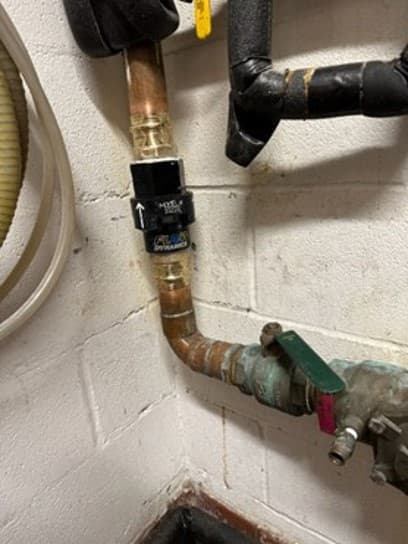
Smart Valve is most relevant to the metered-volume portion of the bill. It should be evaluated alongside irrigation controller changes, leak review, landscape scheduling, and any operational changes needed to comply with Stage 3 restrictions.
Commercial Water Cost Alert
Model Your Facility's Exposure
Use your current monthly bill or kGal usage to estimate how much metered-volume reduction could offset this local rate pressure.
FAQ
When did Aspen Stage 3 water restrictions begin?
Aspen says Stage 3 water shortage restrictions went into effect May 15, 2026 after City Council approval on May 12.
Do Aspen Stage 3 restrictions affect commercial properties?
Yes. The city asked residents, businesses, visitors, and the city itself to reduce water use, and the notice includes irrigation, construction dust-control, washing, pools, hot tubs, and water-feature restrictions.
Sources
Turn Rate Pressure Into a Water Savings Plan
Smart Valve helps commercial properties reduce metered volume before higher rates and surcharges multiply the cost of every gallon.
Calculate Your Savings