Water Pressure and Building Health: The Hidden Connection
How pressure fluctuations affect plumbing systems, equipment longevity, and maintenance costs in commercial buildings.
Key Takeaway
High or fluctuating water pressure causes hidden damage to plumbing systems, water heaters, and fixtures. Maintaining optimal pressure (40-60 PSI) extends equipment life, reduces leak risk, and lowers maintenance costs.
The Silent Damage of High Pressure
Most building managers focus on water leaks they can see. But high water pressure causes constant stress on every pipe, fitting, and valve in your system—damage that accumulates invisibly until something fails.
Municipal water pressure can range from 40 PSI to over 100 PSI, depending on your location and time of day. Buildings closer to pumping stations or at lower elevations often receive pressures that exceed safe operating limits.
Signs of Pressure Problems
- Water hammer - Banging sounds when valves close
- Frequent fixture repairs - Faucets, toilets, valves wearing out early
- Running toilets - Pressure exceeds fill valve capacity
- Pipe leaks - Especially at fittings and joints
- Short water heater life - Tank stress from pressure cycling
The Equipment Impact
Equipment Life at High Pressure (80+ PSI):
- • Water heaters: 30-50% shorter lifespan
- • Faucet cartridges: Replace 2-3x more often
- • Toilet fill valves: Constant replacement
- • Dishwashers/ice makers: Premature failure
Pressure Fluctuations and Air
Beyond constant high pressure, fluctuations cause additional problems. When pressure drops suddenly then surges, it can:
- Release dissolved air from the water
- Cause water hammer (hydraulic shock)
- Stress pipe joints and fittings
- Affect meter accuracy (air expansion)
Solutions for Pressure Management
1. Pressure Reducing Valves (PRVs): Install at the main supply to limit incoming pressure to 50-60 PSI.
2. Expansion Tanks: Absorb pressure fluctuations to protect the system during thermal expansion cycles.
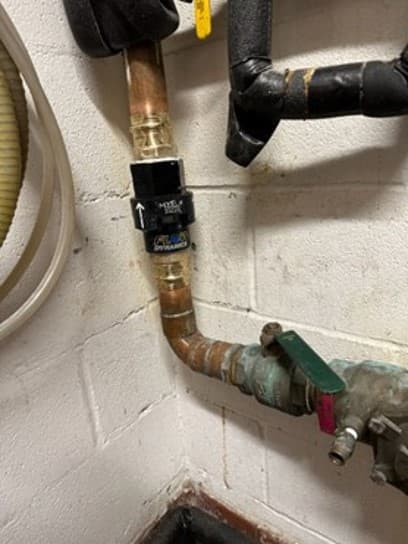
3. Smart Valve Technology: Stabilizes pressure and prevents the air expansion that causes meter over-registration.
Measuring Your Pressure
Use a simple pressure gauge (available at any hardware store) to measure your incoming water pressure. Attach it to a hose bib near the main and take readings at different times of day.
Optimal Range: 40-60 PSI
Below 40 PSI: Poor fixture performance
Above 80 PSI: Accelerated system wear