Durham Stage 2 Water Shortage: Commercial Water-Use and Bill Checks for Large Users
Durham Stage 2 water restrictions remain in effect, with large users asked to attempt a 30 percent reduction and current water/sewer rates showing why commercial sites should separate usage, sewer, irrigation, and fixed service charges.
Quick Answer
Durham Stage 2 water restrictions remain in effect as of June 29, 2026, with customer demand down 12 percent and users above 100,000 gallons per day asked to attempt a 30 percent reduction. Current rates list Tier 5 water at $8.59 per CCF and sewer at $5.71 per CCF.
12%
Demand Drop
Reported since Stage 2
30%
Large-User Goal
Above 100,000 gal/day
$8.59
Tier 5 Water
FY26 per CCF
$5.71
Sewer
FY26 per CCF
What changed in Durham
Source-reported facts: Durham posted a June 29, 2026 update saying Stage 2 Water Shortage Response restrictions remain in effect and customer demand had dropped 12 percent compared with pre-Stage 2 usage.
The same update says users above 100,000 gallons per day should attempt to reduce water consumption by 30 percent from pre-declaration consumption and document those efforts.
Who may be affected
Large water users, campuses, healthcare facilities, hotels, laundries, industrial users, office parks, recreational fields, golf courses, botanical sites, and car washes should review operational rules before the next billing cycle.
Durham says spray irrigation with City water is prohibited, while commercial or institutional car washes may operate if they comply with ordinance requirements.
Why the bill review should include sewer
Durham current rates list tiered water charges by CCF and a sewer volume charge of $5.71 per CCF. The page also says outside-city rates and service charges are doubled.
For high-use commercial accounts, the marginal water tier and sewer volume line can make a usage reduction materially different from a simple water-only estimate.
What a 30 percent large-user reduction could mean
Directional estimate: assume a large Durham user consumes 150,000 gallons per day, or about 6,016 CCF in a 30-day month. A 30 percent reduction equals about 1,805 CCF.
If the reduced volume would otherwise sit in Tier 5 and sewer tracks water usage, $8.59 water plus $5.71 sewer equals $14.30 per CCF, or about $25,812 in monthly variable exposure. This is a directional operating model, not a savings guarantee.
What to check first on your bill
Confirm daily use, monthly CCF, inside/outside city status, highest tier reached, sewer volume, irrigation uses, whether the property exceeds 100,000 gallons per day, and how Stage 2 compliance is documented.
Also check whether the site has toilets, urinals, process loads, landscape irrigation, cooling, or car-wash operations that can be separately managed during the shortage response.
Where Smart Valve fits
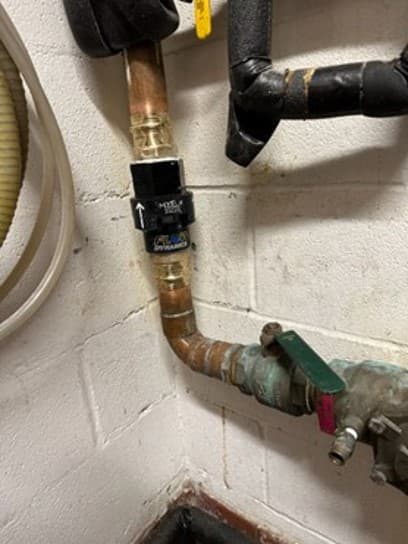
Smart Valve may be relevant after the site separates controllable domestic water use from irrigation restrictions, process water, fixed service charges, and compliance-driven usage.
It cannot replace a Stage 2 compliance plan or guarantee a 30 percent reduction, but it can be part of a broader bill and usage review when the metered volume is controllable.
What to Do Next
Identify whether the site uses more than 100,000 gallons per day.
Document Stage 2 water-reduction steps before bills and compliance questions arrive.
Separate sewer volume from fixed water and sewer service charges.
FAQ
What does Durham Stage 2 ask of very large water users?
Durham says users above 100,000 gallons per day should attempt to reduce consumption by 30 percent from pre-declaration usage and document their efforts.
Can Durham commercial car washes operate during Stage 2?
Durham says commercial or institutional car washes may operate during Stage 2 if they comply with ordinance requirements.
Should a Durham commercial bill model include sewer?
Yes. Durham lists sewer at $5.71 per CCF in current rates, so sewer can materially amplify the value of a verified usage reduction when sewer tracks water use.
Sources
Related Commercial Water Resources
Model This Market Against Your Actual Bill
Use your local rate, current monthly bill, and billed usage to estimate how much controllable volume reduction could offset this market pressure.